
Table of Contents
Most parents today want their toddlers to become confident, social, emotionally stable, and independent — but they fear pushing too early, too hard, or too fast. Emotional independence is not simply letting toddlers “do things alone.” It is:
- Self-soothing without panic
- Confidence in new environments
- Secure attachment without dependency meltdown
- Emotional recovery after stress
- Ability to handle choices without fear
Separation is not independence.
Comfort removal is not confidence building.
Independence blossoms through safety, not isolation.
This blog explores how toddlers can grow emotionally strong without forced detachment, without harsh self-reliance training, and without trauma-coded separation discipline.

Emotional independence is neural maturity, not obedience.
It develops when a toddler:
- trusts caregivers consistently
- knows emotions are safe to express
- expects comfort without conditions
- feels secure exploring beyond the parent’s arm
❌ Leaving them alone when they cry
❌ Ignoring tantrums to “toughen them”
❌ Quiet compliance as proof of maturity
❌ Sleep training via controlled emotional shutdown
✔ Regulation + Recovery
✔ Safe emotional expression
✔ Predictable reassurance
✔ Boundaries without abandonment
When a child knows “I can always come back to comfort,” they take bigger leaps outward.
A toddler’s regulatory brain region — prefrontal cortex — is barely 20% wired by age 2–3.
This means:
- impulse control isn’t formed
- logic doesn’t override panic
- independence demands exceed neurological ability
So when adults say:
“They should learn to cry alone.”
it conflicts with brain development timelines.
They are growth-anchoring — learning how to attach securely before learning release.
| Stage | Toddler Behavior | What It Actually Means |
|---|---|---|
| Cling Stage | Wants parent near | Attachment rooting |
| Trial Stage | Short solo play bursts | Emotional scaffolding |
| Expansion Stage | Asks for quiet space | Confidence ignition |
| Self-led Stage | Manages small conflicts | Independence with security memory |
Toddlers first borrow regulation from a parent before they develop their own.
You don’t need to vanish for them to learn calm.
Small steps:
- sit in the same room while they explore
- respond when they look back for reassurance
- answer emotional check-ins with warmth
This tells the brain:
“You can try, I am near.”
Independence is not freedom without direction.
It is guided autonomy.
Examples:
- “Do you want to start with blocks or puzzles?”
- “Do we calm on the couch or in your tent corner?”
Choices build:
- self-trust
- decision comfort
- emotional forecasting
Independence isn’t a switch.
It’s a slow dial.
Use micro-distancing:
| Step | Strategy |
|---|---|
| 1 | Sit beside them while they play |
| 2 | Move to another seat but stay visible |
| 3 | Step out for 20 seconds, return predictably |
| 4 | Increase intervals only when regulation stays calm |
This process respects nervous system pacing.
Not “go cry alone,” but:
a calming corner with connection memory.
Add:
- soft lights
- a sensory cushion
- calming object
- breathing cards
- parent-recorded reassurance audio
This space signals:
“I am safe even when upset.”
A toddler can’t separate if they can’t label discomfort.
Teach simple scripts:
- “This is frustration, not danger.”
- “Your body is loud because your feelings are big.”
- “You are safe. I am here.”
This rewires fear-triggered cortisol cycles.
Common mistake:
- “See? You don’t need me. Finally!”
- “Now you’re a big kid, stop crying.”
These phrases turn emotional growth into performance, not safety.
Better language:
- “You tried that bravely.”
- “You checked in and returned. That’s learning independence.”
- “You explored, and I was here when you needed me.”

When separation is rushed:
| Effect | Toddler Outcome |
|---|---|
| Adrenal stress spike | Clinginess increases |
| Emotional shutdown | Flat affect, low expression |
| Panic-coded miswiring | Sleep distress, separation anxiety |
| Unsafe autonomy | Silence becomes fear, not confidence |
Independence taught through absence becomes survival, not growth.
Many societies still equate maturity with silence:
- “Good kids don’t need attention.”
- “Independent children don’t cry.”
- “Crying ruins them.”
But modern developmental science states the opposite:
When toddlers know:
“Love isn’t removed when emotions appear,”
they take risks confidently, not compulsively.

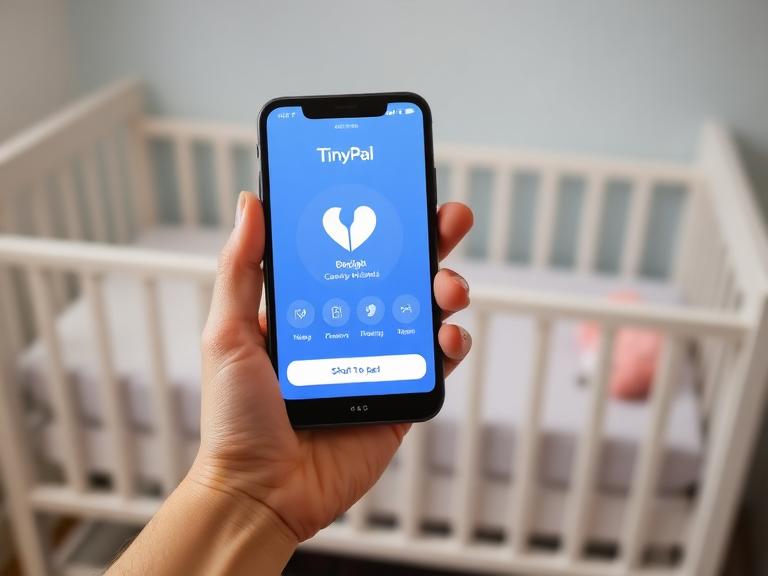
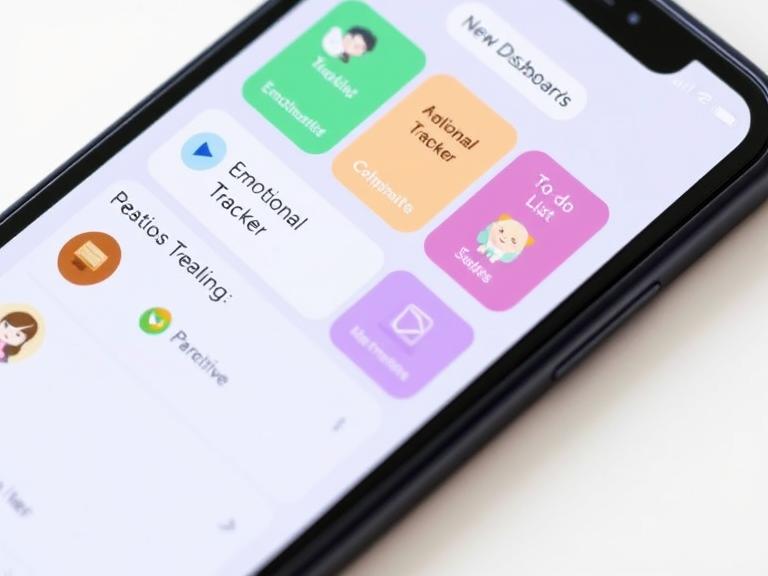
TinyPal helps parents gently transition toddlers to independence using:
Patterns → Triggers → Regulation map
Daily micro-independence challenges
Ai-optimized language modelled for co-regulation
Safety anchors → exploration confidence
Prevents independence fatigue meltdowns
TinyPal doesn’t “train obedience.”
It nurtures internal security.
Look for:
- pauses before reacting
- returning after distress without panic
- choosing solo play in comfortable windows
- crying less from fear and more from actual need
- easier transitions at daycare or sleep
This shows their nervous system trusts recovery.
Do not apply separation growth during:
- illness
- major life shift (moving, new sibling)
- sleep regression
- sensory overload
- trauma echo events (hospitalization, loss, parental travel)
Children retreat to attachment anchors when destabilized — this is not regression but neural rehousing.
Emotional independence is not behavior training.
It is safety-coded maturation.
A toddler becomes independent because they were held, not abandoned.
- Secure attachment → bold exploration
- Predictable comfort → effortless confidence
- Emotional safety → lifelong resilience
Every moment you respond, validate, and stay calm, you wire:
Courage without fear.
Freedom without panic.
Independence without loneliness.
