

Table of Contents
If your child struggles to manage big feelings, you’re not alone. The moment a tantrum erupts, the logical part of their brain shuts down, leaving them without the skills to recover. The good news? You can proactively teach these skills.
The Calm-Down Corner is one of the most effective tools in modern, gentle parenting. It is not a traditional time-out spot used for punishment; it is a dedicated, positive space where children can retreat to practice co-regulation (with you) and eventually, self-regulation (on their own).
At TinyPal, we guide parents to create spaces that are supportive, not punitive. Here is our expert, 7-step guide to setting up and successfully implementing a Calm-Down Corner for your toddler.
Before you buy a single cushion, change your mindset. This corner is for learning, not shame.
- Avoid the word “Time-Out”: Use positive, neutral language like “Calm Corner,” “Cozy Spot,” or “Safe Space.”
- Teach Its Use: Introduce the spot when the child is happy and calm. Explain: “This is our special place for when your body feels really mad, sad, or wiggly. It’s here to help your body feel quiet again.”
- The Golden Rule: The Corner is always an option, never a mandatory punishment (unless the child is unsafe).
The location is crucial. It should be easily accessible but removed from the main chaos (e.g., the living room or kitchen).
- Ideal Spots: A corner of the child’s bedroom, a quiet spot in the playroom, or under a staircase.
- Avoid: High-traffic hallways, near the TV, or in a dark closet.
- Size: It does not need to be big—a space 3 feet by 3 feet is often sufficient. Ensure there are no sharp edges or easily broken objects nearby.
The items in the corner should address the sensory needs of an overwhelmed child, helping them process big emotions through touch, sight, and sound.
| Sensory Element | Essential Tools | Purpose |
| Comfort | Soft bean bag, large fluffy pillow, weighted lap pad, favorite blanket. | Provides deep pressure and tactile comfort to soothe the nervous system. |
| Sight | String of soft fairy lights, calm color palette (blues, greens, purples). | Reduces visual stimulation, promoting internal focus. |
| Tactile/Fidget | Stress balls, playdough, squishy toys, texture board, tangle toys. | Gives hands something constructive to do while the mind is overwhelmed. |
| Oral/Sound | Noise-canceling headphones (optional), water bottle, non-breakable mirror. | Helps a child regain focus and provides sensory input they may seek (chewing, hydration). |
This is where the learning happens. The corner needs resources that help the child name and understand what they are feeling.
- Feelings Chart: A simple chart with faces showing different emotions (Happy, Mad, Sad, Frustrated). Toddlers can point to the picture that matches their feeling.
- Breathing Visuals: A laminated picture or graphic illustrating the “Flower/Candle” breathing technique or a simple “5-finger breathing” visual.
Do not wait for a tantrum to introduce the corner. Practice using it during times of calm.
- Modeling: Start by using it yourself. Say: “Mommy is feeling frustrated that the phone keeps ringing. I am going to sit in the Calm Corner for 5 minutes and take 3 deep breaths to help my body quiet down.”
- Practice: During quiet time, encourage your child to visit the corner and try out the tools. “Let’s go squeeze the stress ball and look at the feelings chart together.”
This is the most challenging step—maintaining composure and connection when your child is melting down.
- If the child is unsafe/aggressive: You can gently escort them to the corner. Use your calming voice: “Your body needs help being quiet. We are going to the Calm Corner until your body is safe.” Stay with them, sitting nearby, until they are calm.
- If the child is crying/whining: Do not force them into the corner. Offer the option: “It looks like you have a big feeling. You can use the Calm Corner, or you can have a hug from me.” Offering the choice empowers them.
- The Time Rule: Do not assign a time limit (e.g., “5 minutes”). The time ends when the child is calm.
The teaching happens after the self-regulation.
- Reconnect: Offer a hug or physical closeness immediately upon leaving the corner.
- Repair: Briefly discuss the event: “You were feeling so frustrated when the dog ate your bread. The Calm Corner helped your body quiet down. Next time, what feeling will you point to on the chart?”
- No Lecture: Avoid shaming or extended conversations about the bad behavior. Focus only on the skill that was used successfully (the breathing, the squeezing, the sitting quietly).
Creating a Calm-Down Corner is only the first step. The real success lies in consistently using the right language and knowing which tools work best for your unique child’s temperament.
TinyPal helps you manage this complex process:
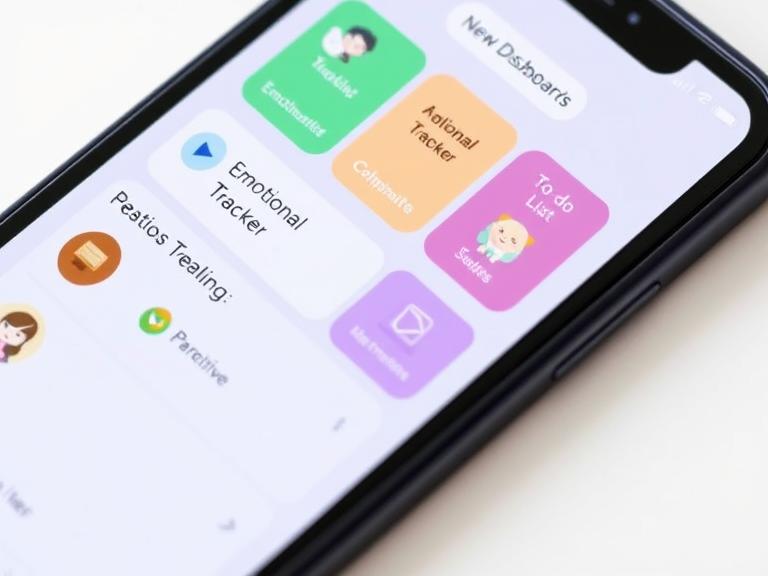
- Temperament Assessment: Our assessment identifies your child’s specific sensory needs (e.g., highly sensitive to sound, deep pressure seeker), guiding you on which tools (weighted blanket vs. fidget toys) will be most effective.
- Actionable Scripts: Get instant verbal scripts for Step 6, ensuring you use the correct, non-punitive language every time, even when you’re overwhelmed.
- Skill Integration: The app provides short, 5-minute activities to practice deep breathing and emotion naming, integrating skill-building into your daily routine—making the Calm Corner a success.
Ready to teach your child lifelong emotional regulation skills?
