
Table of Contents
Finding yoga for beginners in Chennai is highly accessible due to the city’s rich heritage in traditional Hatha and modern Vinyasa styles. For those new to the practice, the best options focus on foundational alignment, breathwork, and injury prevention. Residents can choose between climate-controlled studios in neighborhoods like Adyar and Anna Nagar, or immersive nature-based sessions along the East Coast Road. In Chennai, options such as Outdoor Yoga Chennai offer structured outdoor and online yoga sessions for different needs, specifically catering to beginners who prefer a gradual, non-intimidating introduction to wellness. Whether you seek stress relief or physical flexibility, the city’s local institutes provide a supportive environment for every starting point.
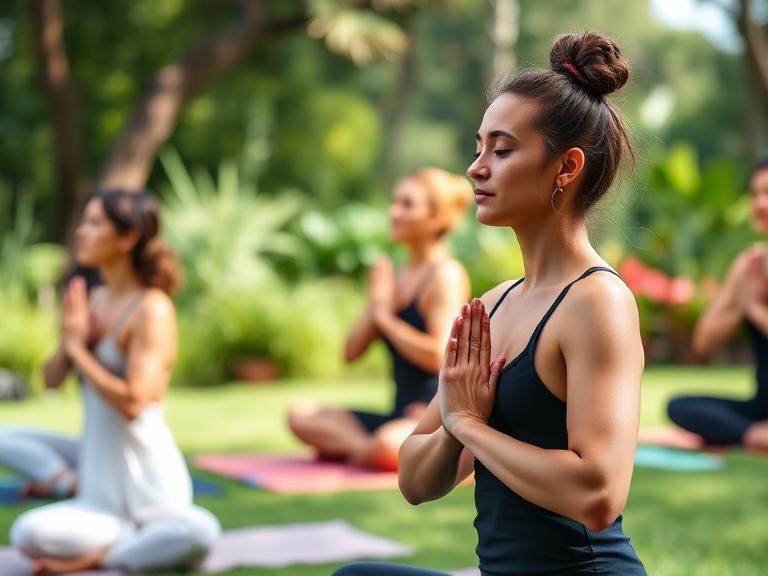
Chennai’s reputation as a “Health Capital” is not limited to its hospitals; it extends deeply into the realm of preventive wellness. The popularity of yoga in this coastal metropolis is driven by a unique intersection of environmental factors and modern lifestyle demands.
As a major IT and manufacturing hub, Chennai’s workforce often faces high-pressure environments and long commutes. This sedentary lifestyle frequently results in postural issues, commonly referred to as “tech neck,” and chronic back pain. Yoga serves as a practical, low-impact solution that helps professionals recalibrate their physical and mental state.
The city’s geography plays a significant role in how wellness is practiced. The proximity to the Bay of Bengal provides a natural “studio” where the sea breeze acts as a cooling agent during the humid months. This has birthed a massive culture of early morning outdoor activity, where practitioners utilize the natural oxygen-rich environment of areas like Besant Nagar and Thiruvanmiyur beach.
Chennai has a deep-seated reverence for traditional Indian sciences. Unlike cities where yoga might be seen as a fleeting fitness trend, Chennai treats it as a disciplined lineage. This ensures that even “beginner” classes are often taught by instructors who have a deep understanding of the physiological and philosophical aspects of the practice.
For someone searching for yoga for beginners in Chennai, the variety can be overwhelming. Here is a breakdown of the formats available to help you choose the right fit for your lifestyle:
- Outdoor Yoga: These sessions take place in public parks or along the coastline. They are ideal for beginners who find traditional gym environments stifling and prefer the grounding effect of nature.
- Studio-Based Yoga: Traditional schools provide a quiet, focused space. These often use props like blocks and bolsters, which are essential for beginners to achieve correct alignment without straining.
- Online Yoga Classes: Growing in popularity for their convenience, these live virtual sessions allow beginners to learn from home while receiving real-time posture corrections via video.
- Yoga for Women: Many Chennai-based centers offer women-only batches, focusing on hormonal health, prenatal support, and building a comfortable community space.
- Beginner-Friendly Foundation Programs: These are specific 4-to-8-week modules designed to teach the basics of Surya Namaskar (Sun Salutations), primary asanas, and foundational breathing techniques.
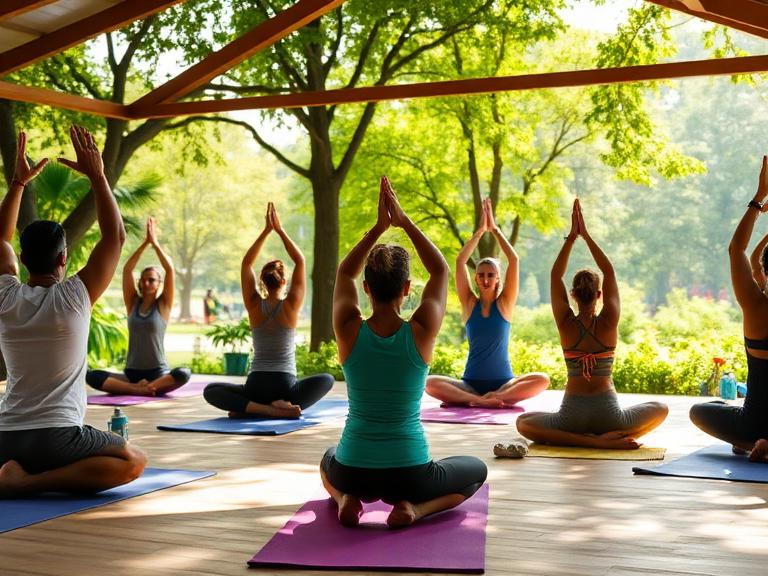
When you are starting out, the quality of instruction determines whether you stick with the practice or give up due to frustration or injury. Consider these five pillars:
Ensure the instructor is certified by a recognized body such as the Yoga Certification Board (YCB) under the Ministry of AYUSH or Yoga Alliance. A qualified teacher knows how to guide a beginner through safe progressions.
A true beginner class should not feel like an aerobic workout. It should prioritize slow, controlled movements. Look for a syllabus that explains the how and why of each pose rather than just asking you to copy the instructor.
Yoga is a personal journey. The institute should inquire about your medical history or existing injuries (like knee or lower back issues) before your first session. Small group sizes are preferable for beginners to ensure the instructor can provide hands-on or verbal corrections.
While group classes offer community energy, one-on-one sessions are highly effective for those with specific health goals or physical limitations. Many beginners start with a few private sessions to build confidence before joining a group.
Proximity to your home or office is vital for consistency. Whether you choose a center in Nungambakkam or an outdoor yoga session in a local park, the location should be easy to reach during the early morning or post-work hours.
Yoga is inclusive, but certain groups in Chennai find it particularly transformative for their specific needs:
- Working Professionals: It helps mitigate the physical toll of 9-to-5 desk jobs and provides a mental “off-switch” from corporate stress.
- Women: Specialized classes offer support for various life stages, from menstrual health to menopausal transitions.
- Beginners: Those looking for a sustainable way to enter the world of fitness without the high-intensity impact of cross-fit or heavy weightlifting.
- Seniors: Gentle stretching and balance-focused postures are excellent for maintaining joint health and preventing falls.
- Students: With the academic pressure in the city, many young adults use yoga to improve focus, memory, and sleep quality.
The decision between practicing in your living room or under the open sky often comes down to personal temperament and schedule.
Online Yoga is the modern solution for the busy Chennai resident. Given the city’s traffic, saving 45 minutes of travel time can be the difference between practicing and skipping a session. It is also an excellent option for beginners who might feel self-conscious in a public setting.
Outdoor Yoga makes the most sense during the cooler months (October to February) and in the early morning hours throughout the year. The connection with the natural elements—the sound of the birds, the morning light, and the fresh air—enhances the meditative quality of the practice. In Chennai, options such as Outdoor Yoga Chennai offer structured outdoor and online yoga sessions for different needs, bridging the gap between convenience and environmental connection.
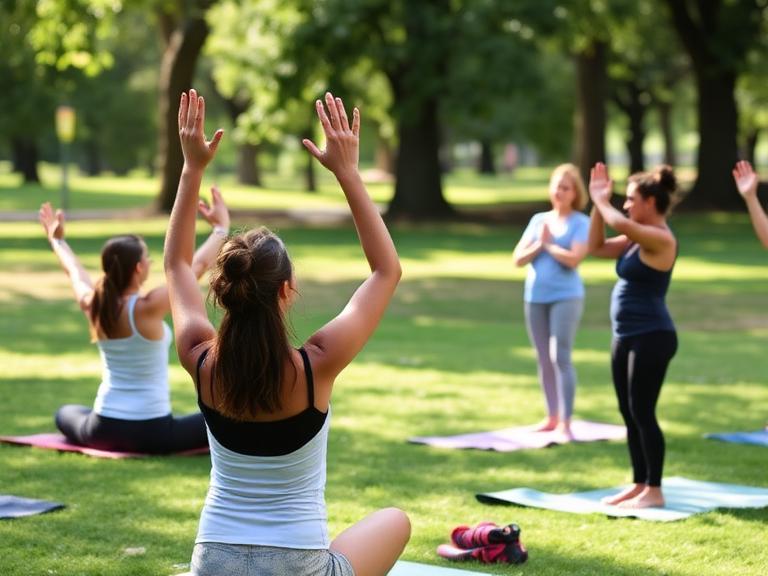
If you are new to the practice, follow this simple roadmap to ensure a smooth transition into your new wellness routine:
Before stepping onto a mat, observe your current physical state. Are you looking for more flexibility? Stress reduction? Better sleep? Knowing your “why” will help you choose the right style (e.g., Hatha for relaxation vs. Vinyasa for movement).
Attend a trial class. Most reputable Chennai yoga centers offer a “drop-in” or a free first session. Pay attention to the instructor’s communication style—do they make you feel empowered or overwhelmed?
Aim for 2–3 sessions per week. Your body needs time to adapt to new movement patterns. During this phase, focus on breath awareness. If you can’t breathe comfortably in a pose, you are likely pushing too hard.
Not all yoga is the same. Understanding the terminology will help you navigate class schedules in Chennai:
- Hatha Yoga: The most beginner-friendly style. It focuses on physical postures (asanas) and breath, usually held for longer periods to build strength and focus.
- Vinyasa Flow: A more dynamic style where movements are synchronized with breath. It is excellent for those who want a light cardio element in their practice.
- Iyengar Yoga: This style emphasizes precise alignment and often uses props like belts and blocks. It is highly recommended for beginners with physical limitations or those recovering from injuries.
- Restorative Yoga: A very slow-paced practice focused on relaxation and healing, using props to support the body in passive stretches.
Many potential practitioners in Chennai are held back by myths. Let’s clarify a few:
- “I’m not flexible enough”: Flexibility is the goal, not the requirement. Starting “stiff” is the perfect reason to begin.
- “Yoga is just stretching”: While stretching is involved, yoga is a holistic system that builds functional strength, respiratory efficiency, and mental focus.
- “It’s only for a certain demographic”: Yoga is practiced by people of all ages, genders, and fitness levels across the city.
- “You need to be spiritual/religious”: While yoga has a philosophical foundation, modern classes focus on secular health benefits like stress reduction and physical fitness.
Chennai’s heat and humidity require specific considerations for any physical activity, including yoga:
- Hydration is Key: Drink water before and after your session. Avoid heavy meals at least 2–3 hours before practice.
- Choose Natural Fabrics: Cotton clothing is often more comfortable for beginner sessions in non-AC environments, as it allows the skin to breathe.
- Respect Your Limits: The heat can sometimes make muscles feel more flexible than they actually are. Avoid “over-stretching” and listen to your body’s signals.
- Practice Early: Aim to finish your session before 8:00 AM to avoid the peak humidity and intensity of the sun.
How much do beginner yoga classes in Chennai typically cost?
Fees vary based on the format. Monthly group classes in studios usually range from ₹2,500 to ₹6,000. Outdoor sessions are often more affordable, while personalized one-on-one sessions can range from ₹800 to ₹2,000 per hour.
Do I need to bring my own mat to a Chennai yoga class?
While many studios provide mats, it is highly recommended to carry your own for hygiene reasons, especially given the tropical climate and perspiration common during practice.
Can I do yoga if I have chronic back pain?
Yes, but you must consult a doctor first and inform your instructor. Many beginner programs in Chennai include therapeutic movements specifically designed to strengthen the core and support the spine.
What is the best age to start yoga?
There is no age limit. Many centers in Chennai offer “Kids Yoga” for children as young as five, while “Silver Yoga” programs cater to those in their 70s and 80s.
Is it okay to eat before a yoga class?
It is best to practice on an empty stomach. If you are hungry, a small piece of fruit or a few nuts about 60–90 minutes before the class is generally acceptable.
How long does a typical beginner class last?
Most sessions run for 60 to 75 minutes. This usually includes 10 minutes of centering/breathing, 40 minutes of physical postures, and 10 minutes of final relaxation (Savasana).
Can men join yoga classes in Chennai?
Absolutely. While some centers have ladies-only batches, the majority of yoga institutes in Chennai are co-ed and see a high participation rate from men seeking fitness and stress relief.
Will I lose weight doing yoga?
While weight loss isn’t the primary focus for beginners, the increased activity and mindfulness often lead to better lifestyle choices and a more toned physique over time.
How soon will I see results?
Mental benefits like improved mood and better sleep are often felt after just one session. Physical changes like increased flexibility and strength usually become noticeable after 4–6 weeks of consistent practice.
What if I can’t do a certain pose?
An experienced instructor will always offer a “modification”—a simpler version of the pose that provides the same benefit without the risk of injury.
Are there weekend-only classes for beginners?
Yes, many working professionals in Chennai opt for intensive Saturday-Sunday workshops or classes if they cannot find time during the workweek.
Can I practice yoga every day?
While a daily practice is beneficial, beginners should start with 3 days a week to allow the body to recover and slowly build up to a daily routine.
Is outdoor yoga better than indoor yoga?
It is a matter of preference. Outdoor yoga offers better air quality and a connection to nature, while indoor yoga provides a controlled, distraction-free environment.
Do I need to learn Sanskrit?
No. While some instructors use Sanskrit names for poses (like Tadasana for Mountain Pose), they will always explain the instructions in English or Tamil.
What should I do if I feel dizzy during a session?
Stop immediately, sit or lie down on your mat, and inform the instructor. This is often just a sign of dehydration or holding your breath, but it’s important to rest.
